Due to a historic spike in rental prices, Sydney is facing an unprecedented housing crisis. The scale of this surge stems from inflation, a severe housing shortage, and the post-Covid return to normal activity, which has pushed rents to levels that place Sydney among the most expensive cities in the world. With rising tensions among tenants and responses considered insufficient by key stakeholders, the situation is increasingly worrying for residents, as rental costs surpass the financial capacity of a growing number of households.
Sydney Unpacks the Rental Market’s Cash Machine
At the heart of rising rental costs is persistently high inflation, prompting the Reserve Bank to implement repeated interest rate hikes. These increases raise mortgage repayment costs, which landlords directly pass on to tenants.
Equally significant is the post-Covid catch-up effect. As Jim Gilmovich, President of the New South Wales Landlords Association, explains: “During the pandemic, demand for leases collapsed, and landlords lowered rents.” With employees returning to workplaces in large numbers and immigration now back to pre-Covid levels, the trend has suddenly reversed.
A Record Housing Shortage Fueling the Surge

Sydney’s rent crisis is aggravated by an unprecedented shortage of available housing. The vacancy rate has dropped below 1%, a critical level directly responsible for accelerating price increases. The government has pledged 30,000 social housing units over the next five years, but according to Jim Gilmovich, 30,000 new homes must be built every year to meet demand.
On the ground, resident Sophia Morris regrets the absence of immediate measures such as a rent freeze or stronger tenant protections, particularly given that there is currently no cap on rent increases. Far from improving, experts believe the crisis will persist: rents are expected to continue rising rapidly over the next five years in Sydney, as demand remains far higher than supply.
Beyond Construction: The Fiscal Path to Containing the Surge
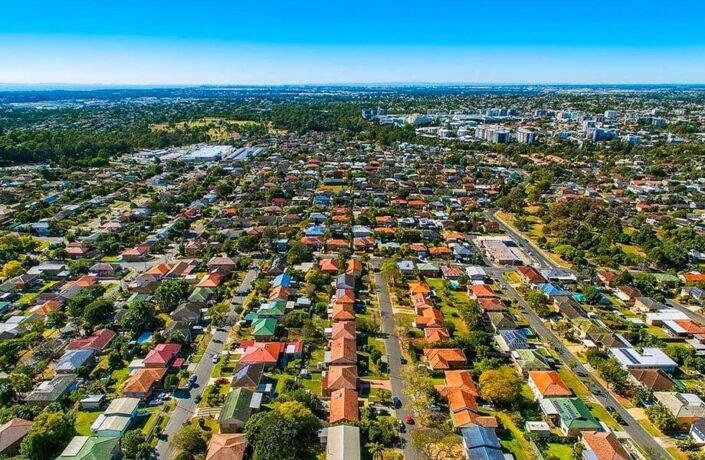
Although building new housing appears to be the most obvious solution on the supply side, construction alone will not be enough to contain the rise in Sydney’s rents. The housing crisis is affecting the entire country: since 2020, median rents have risen by nearly 80% in Perth, over 50% in Brisbane, 44% in Sydney, and 37% in Melbourne.
For several economists, the real lever lies in taxation. Property owners benefit from a reduced 50% VAT rate if they keep a property vacant for at least a year—a tax break that, according to some experts, discourages putting more homes on the rental market.
Reforming this tax measure could enable the construction of 130,000 additional homes by 2030, according to a research institute. Without a major overhaul of Australia’s property-related tax system, the government will struggle to reach its goal of building one million homes by 2029.
In Summary: Tax Reform Is Central to Controlling Sydney’s Rental Explosion
To curb Sydney’s soaring rents, fiscal mechanisms must play a major role. Confronted with rapidly escalating rental prices, the city faces a deep crisis combining inflation, shortages and fiscal imbalances. Experts and residents fear the situation could last for years unless strong, rapid measures are taken. Between large-scale construction and tax reform, Sydney will have to act urgently to contain a surge whose historic magnitude reflects budgetary laxity, institutional shortcomings and systemic failures.