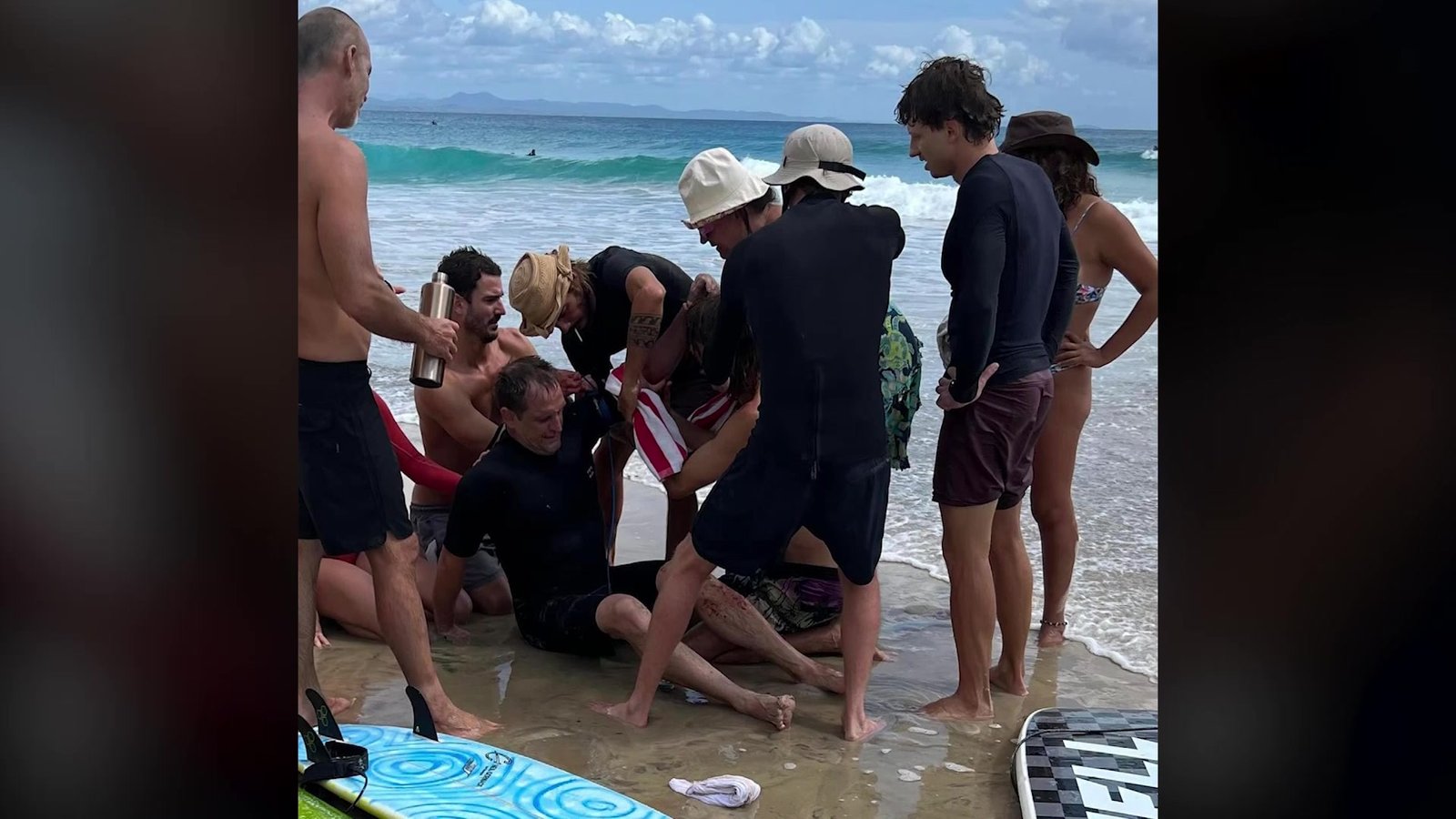
The serious surf accident that occurred in Western Australia, not far from the legendary Bombie Reef Break, has drawn strong attention across local media and social platforms. In a region where this famous reef break is known for its powerful waves and frequent swells, the incident serves as a reminder of the inherent dangers of reef surfing and the need for constant vigilance and respect for the marine environment.
Reef Breaks: A Spectacular but Risky Playground
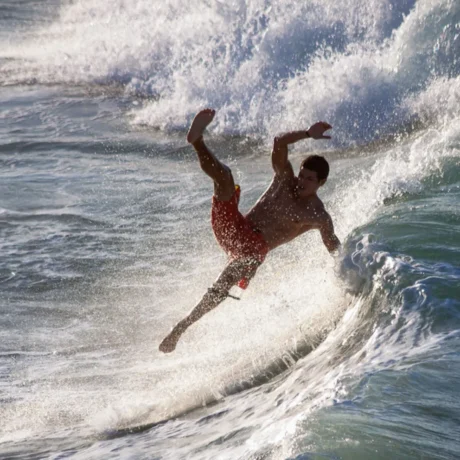
The reef breaks of Western Australia are among the most impressive in the world. Forming over rocky or coral seabeds, these reefs shape waves that are wide, hollow, and powerful—perfect for skilled and experienced surfers. But surfing over reefs comes with significant risks. While reef surfing can offer unique sensations, the hazards of the marine environment are always present. Unlike a beach break, where the seafloor is made of sand, a reef is often sharp, shallow, and unforgiving. Fainting, deep cuts, head trauma from direct impacts with the reef or surfboard—any fall can become life-threatening in the heavy swells that frequently hit areas like Bombie Reef.These dangers are part of the ocean environment and can be worsened by occasional inattention or failure to follow basic safety recommendations.
Risks and Safety on Western Australia’s Reef Breaks
The Margaret River region, home to exposed coastlines and iconic spots such as Bombie, attracts surfers from all over the world each year. Even the professionals competing in the Margaret River Pro acknowledge that these are powerful, technical waves suited only to well-prepared and experienced surfers. On many reefs in Western Australia: the peaks form far from shore, surfers must paddle through an intense impact zone, strong currents can push riders directly back onto the reef. A long paddle is part of the difficulty: without endurance and solid technique, reaching the peak—or getting back out safely—is nearly impossible. According to early reports, the surfer involved in the recent accident likely lost balance while entering the barrel, was thrown underwater, and struck the sharp reef. Initial assessments show direct impact injuries, requiring immediate medical attention. Other surfers present quickly raised the alarm and provided first aid.
Practical Safety Tips for Surfers and Swimmers
• Spend time observing the conditions (swell height, wind direction, period).
• Use a strong leash and, on some reefs, a helmet.
• Learn the layout of the reef before entering the water.
• Never surf alone on remote reef breaks.
• Practice wipeout techniques: protect your head, avoid extending your arms.
• Develop breath-holding ability to manage heavy sets and long hold-downs.
For swimmers:
• Keep a safe distance from areas where waves break on the reef — this is where currents are the strongest and most dangerous.
• Avoid entering the water in unsupervised areas, even if the spot looks calm.
• Always pay attention to alerts and recommendations from the authorities to stay safe.
This accident at Bombie Reef Break is a reminder that Western Australia’s reef breaks deliver world-class waves—but it is still the ocean. Staying realistic, prepared, and cautious is essential.