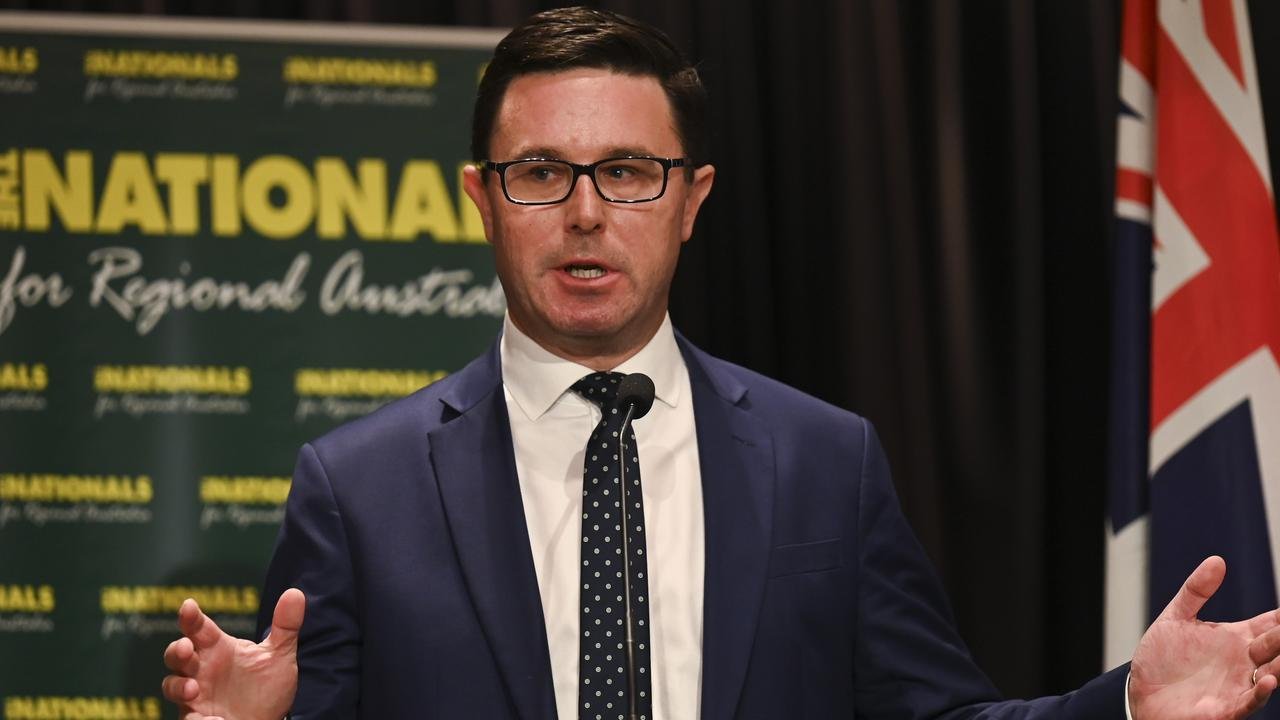
Australian political life, often characterized by iron discipline within the major parties, sometimes presents fascinating paradoxes. The leader of the Nationals, David Littleproud, recently made headlines by expressing surprising admiration for members of his own party, particularly those who might be described as “subversive.”
This unexpected support, aimed at defending the party’s most traditionally rebellious faction, raises a crucial question: Is insubordination now considered a political virtue, or is it a skillful leadership strategy in the face of internal tensions?
The Double Standard: Loyalty vs. Subversion
Littleproud’s comment is particularly striking because it praises two qualities that seem mutually exclusive in the political arena: loyalty and subversion.
Historically, the Nationals, often the minority ally of the Liberal-National coalition, has always had a fierce tradition of independence, particularly in defending the interests of rural areas (the bush).
Expected Loyalty: This is essential for the coalition to function and to present a united front to the opposition.
Celebrated Subversion: This is embodied by Nationals members who vote against the party line, question coalition agreements, or publicly oppose policies deemed harmful to their base.
By defending these “rebels,” Littleproud sends a clear message: National insubordination is tolerated, even encouraged, as long as it is perceived as a service to rural voters.
🎭 A Calculated Leadership Strategy
Littleproud’s admiration for “subversives” is not just a statement; it is a calculated political maneuver to consolidate his leadership.
Channeling Frustration: By publicly acknowledging his members’ right to rebel, Littleproud provides a safety valve for a faction that might otherwise turn against him internally. He transforms a potential flaw (indiscipline) into a strength of character.
Asserting Party Identity: Celebrating subversion reinforces the Nationals’ image as a party that is not simply an extension of the Liberal Party, but a partner that doesn’t hesitate to fight for its principles. This is crucial for winning back voters who might feel betrayed by coalition compromises.
Defending Authenticity: In an era where authenticity is a rare political currency, MPs who deviate from the strict party script are often perceived by their constituents as more “real” and closer to the people. Littleproud aligns with this popular perception.
Subversion: A Necessary Evil for the Coalition?
The paradox is that the Nationals’ “subversion,” while applauded by Littleproud, often puts the entire coalition under strain, especially when the government is a minority or weakened.
Key issues, such as climate change, coal mining policies, and water management, are traditional battlegrounds for this rebel faction. Their subversive actions signal that the coalition line is not monolithic and that the rural wing still has a voice.
In politics, today’s insubordination signals that a harder line will be fought for tomorrow. Littleproud doesn’t just accept subversion; he uses it to negotiate.
🔮 Conclusion: The Price of Pride
David Littleproud’s support for the “subversives” is a risky gamble. On the one hand, he maintains unity by allowing dissent. On the other, he sets a precedent where strict loyalty may be considered less valuable than activism.
The message, however, is clear: the National Party, under his leadership, values independent thinking and commitment to its electoral base more than blind alignment. This may be the only way for the Nationals to retain their distinct identity in the complex political landscape of the Australian coalition.