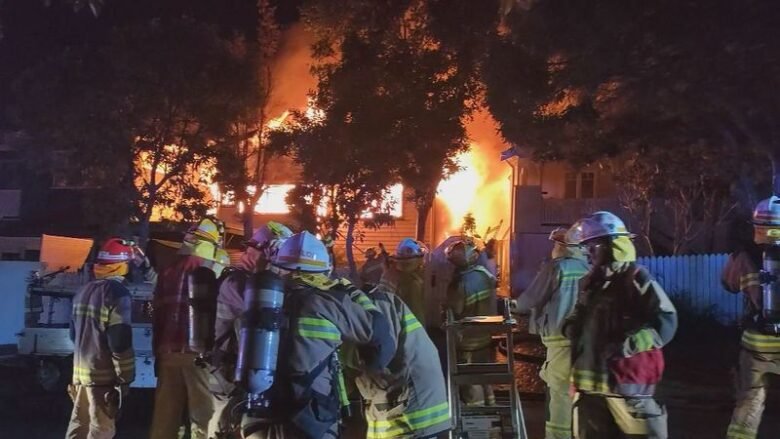
This is a heart-wrenching tragedy striking Australia. A disabled woman recently lost her life. She succumbed to terrible domestic violence. The entire country is in shock and expressing its anger. The heart of the scandal lies in the police response. Indeed, officers took over an hour to arrive on the scene. This delay is deemed inadmissible by all. An independent investigation is thus launched immediately. The disabled woman death police investigation is now a national symbol. We will dissect this painful case. We will analyze the failures of this flawed system.
I. Launch of the Investigation by the Oversight Body
An impartial oversight body, or “watchdog,” is mobilized. This watchdog acts for justice and truth. Its mandate is to re-establish total transparency. Thus, investigators analyze every minute lost. They dissect the emergency chain of command. They study the initial call with great meticulousness. They compare that moment with the actual arrival of the officers.
The investigation targets the sixty-minute delay. Because this delay is critical. It is considered unacceptable in such a context. The final report from the watchdog will be decisive for the future. Investigators are looking for serious errors in judgment. Also, they will identify protocol issues. Systemic failures are strongly suspected. The outcome of this investigation could lead to heavy sanctions. Consequently, pressure is mounting on the police service concerned.
II. The Fatal Delay and Domestic Violence
How could this hour-long delay occur? The investigation seeks to understand this major failure. The disabled woman death police investigation must provide clarification. It must identify a poor threat assessment. Furthermore, the dispatcher may have underestimated the urgency of the situation. A lack of available officers is another hypothesis. Internal communication problems may have complicated the response.
This delay had a terrible human impact. These lost minutes are tragic and irreversible. The victim was an extremely vulnerable woman. Indeed, her disability increased the urgency of the call. This fragility should have prioritized immediate intervention. However, this was not the case. The investigation must assess the consideration given to vulnerability. It must ensure that the safety of these victims is secured.
III. Police Protocols and Training Review
This tragedy forces the police to question themselves deeply. Intervention protocols are immediately called into question. Notably, the management of emergencies involving vulnerable people is being examined. This includes the elderly, children, and disabled citizens. Lack of training is no longer an acceptable excuse. The investigation must ensure that every call is treated equitably. Because every life must be protected in the same way.
The report will examine the skills of the dispatchers. Are they prepared to recognize signs of escalation? Can they correctly classify the risk level? The conclusions will serve as a basis for reform. They must identify crucial training needs. These changes are essential for the future of security. For more information on intervention standards, you can consult the official NSW Police website.
IV. Political Repercussions and Public Trust
This case has caused a real political crisis. The opposition demands immediate and profound reforms. Politicians are reacting sharply to this national scandal. Thus, they are promising substantial additional budgets. These funds will be allocated to training and staffing. The goal is to ensure a faster response.
Public trust is severely shaken by the delay. It is true that these delays erode the image of an effective service. The disabled woman death police investigation is a major test case. It demonstrates the obligation to be accountable. Authorities must act with the greatest transparency. They must restore the credibility of the institution.
Conclusion
The loss of this disabled woman is a poignant tragedy. The investigation is a vital step toward the truth. It must provide clear answers to the grieving families. Ultimately, this case must trigger systemic change. The system must guarantee a rapid response for everyone. Also, vulnerable victims must benefit from priority protection.