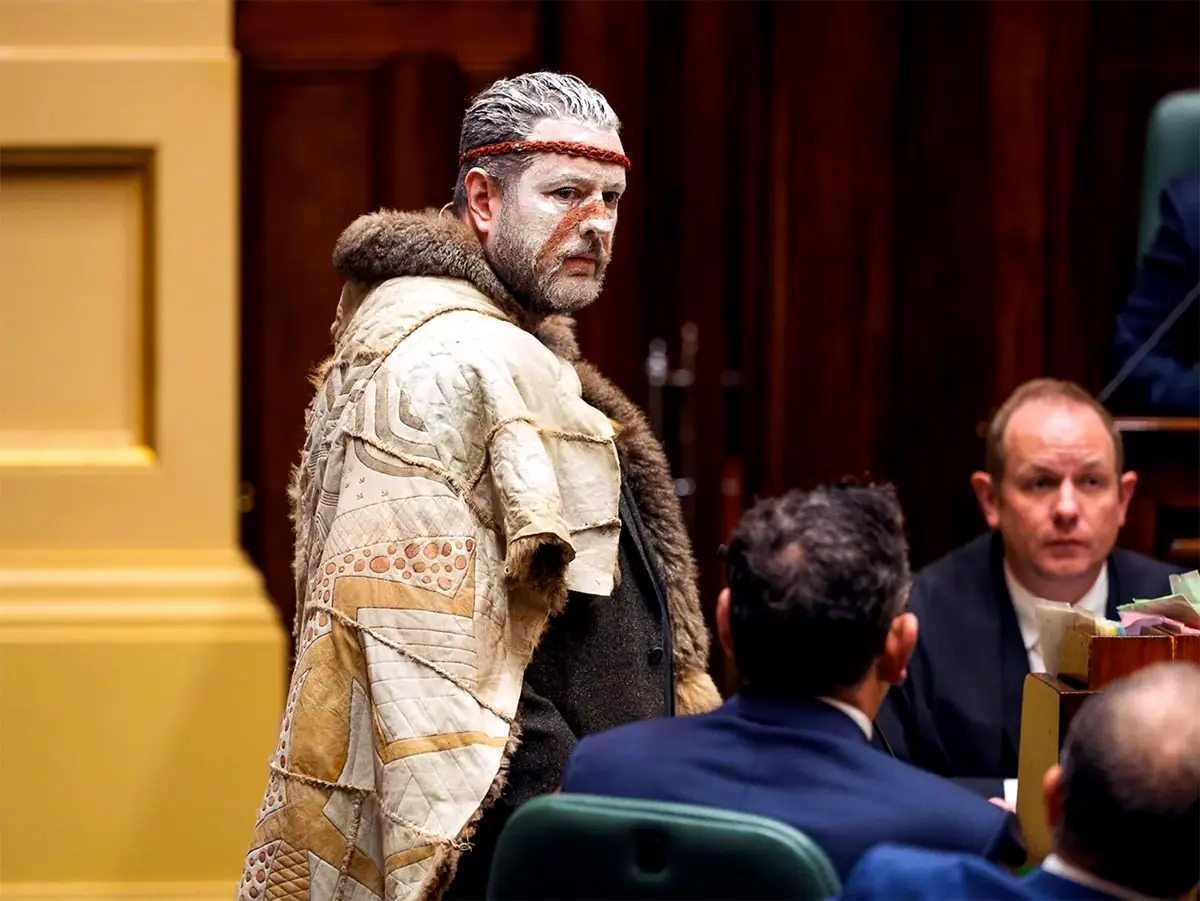
Victoria is poised to make history as the first Australian state to conclude a treaty with Indigenous peoples. Indeed, the bill recently passed its first reading in the Legislative Assembly. This means a significant step toward recognizing Indigenous rights and building a shared future. In addition, the legislation establishes a consultative assembly of elected Indigenous representatives and a health advisory council. Moreover, it initiates the first discussions with Victoria’s First Nations, beyond symbolic words.
A Historic Indigenous Treaty — Why This Is a First
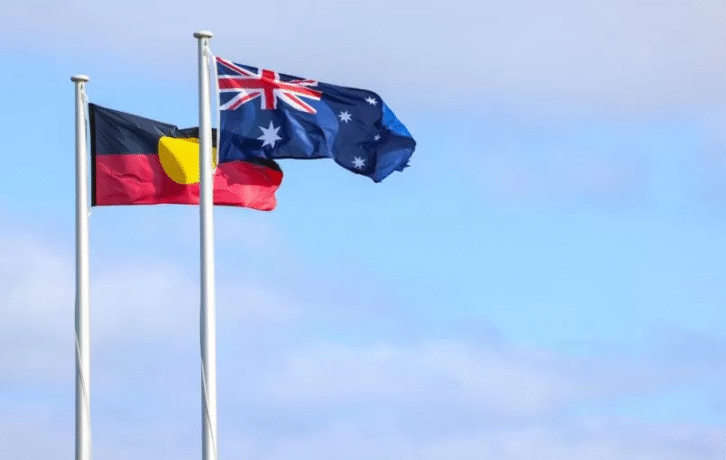
Victoria becomes the first state to sign an official treaty with Indigenous peoples. As a result, this marks a decisive moment in recognizing their rights after more than a century of legal battles. The bill creates a consultative assembly of elected Indigenous representatives. Consequently, Indigenous communities gain a platform to participate in policy discussions and negotiations.
Furthermore, a second body will identify and address health inequalities. Many challenges persist within Indigenous communities. Additionally, the bill formalizes official apologies on behalf of the Victorian government. Therefore, it establishes representative institutions to support a transition toward a shared future.
Overall, this legislation represents a turning point in Australia’s history. It also initiates sustained dialogue and places social equality and justice at the center of Indigenous concerns.
What the Indigenous Treaty Provides — The Role of the Institutions Created
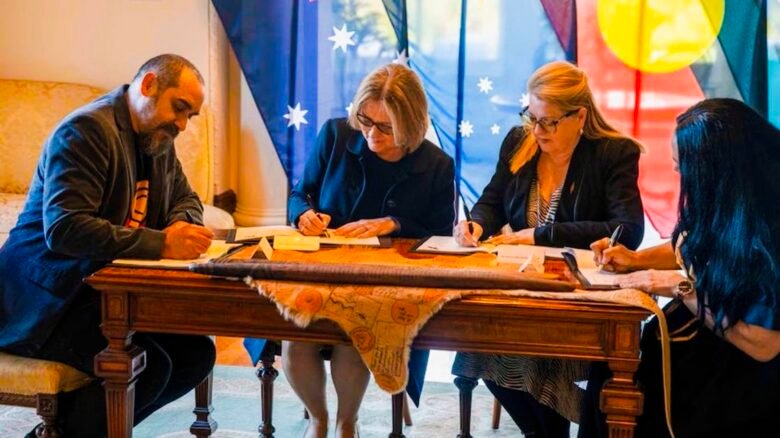
The Victoria Indigenous treaty bill aims to increase Indigenous communities’ participation in political life. To achieve this, the government will create a consultative assembly of elected representatives. In this way, communities can voice concerns and be heard on matters that directly affect them.
Moreover, a health advisory council will identify and address inequalities. This is particularly important because it ensures better access to medical services for Indigenous peoples.
In addition, the treaty goes beyond starting discussions with Victoria’s First Nations. Instead, it actively engages communities through these institutions. Thus, this step moves Australia toward a more inclusive and just society.
Challenges and Opposition to the Indigenous Treaty
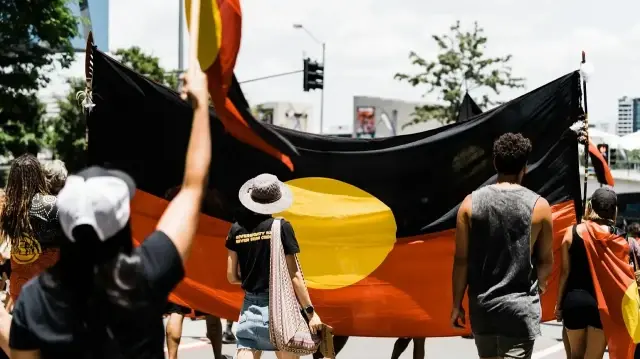
Despite excitement about the treaty, several challenges remain. For instance, skepticism toward institutions persists. Some experts also question whether these bodies can convert political commitments into concrete actions.
In addition, the treaty faces political and social opposition. For example, some worry about its impact on existing structures and resource allocation.
Finally, governance between the Victorian government and Indigenous peoples remains a long-term challenge. Therefore, establishing inclusive and effective dialogue is essential. In doing so, the treaty can deliver tangible outcomes in Indigenous rights, social equality, and justice.
Conclusion
Observers, especially within Indigenous communities, consider Victoria’s Indigenous treaty a historic milestone. Indeed, it provides Indigenous peoples with a strong and legitimate voice in political and societal decision-making. Furthermore, by establishing consultative bodies and health governance structures, the treaty creates new opportunities for inclusion, social well-being, and a shared future for Indigenous communities. Overall, this initiative marks a significant step toward a more equitable and just society.